
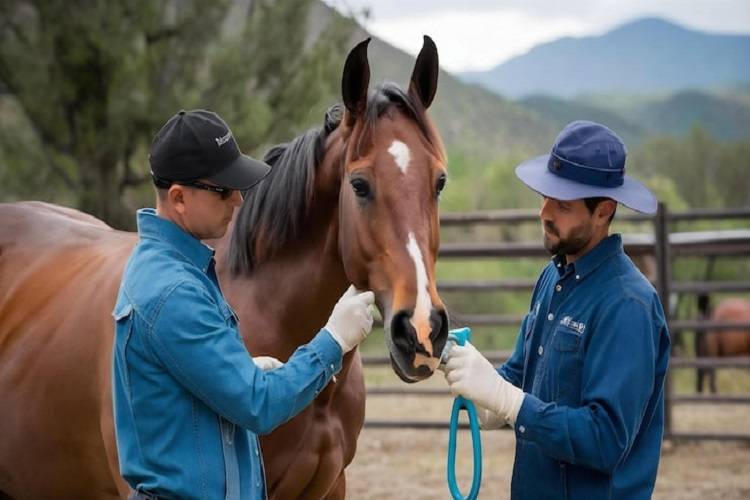
While speed may be visually appealing, endurance ultimately wins races. The muscular tone and strong strides of a racehorse hide a more subdued energy that shapes performance. Vitamins are rarely the main focus, but they have an impact on how a horse exercises, recovers, and maintains effort when competition requires more.
Conditioning Beyond Training Miles
It takes more than just discipline, timing, and distance to train a racehorse. The body uses cellular reactions that rely on specific dietary assistance to adjust to stress. Vitamins regulate how energy systems remain responsive throughout extended training cycles, how muscles use oxygen, and how tissues heal after effort. Even the most effective training programs lose their effectiveness without balance.
Energy Metabolism and Sustained Power
Effective energy conversion is essential for endurance. B group vitamins aid in the metabolism of fat and carbohydrates, enabling muscles to release fuel gradually rather than burning out too soon. Instead of faltering under sustained duress, horses that receive these nutrients consistently maintain their rhythm throughout a race.
Here, vitamins for racehorses become more than just dietary supplements; they become performance partners. They assist the body in working more intelligently rather than more forcefully during prolonged effort.
Muscle Integrity Under Repeated Stress
Microscopic muscular tension results from high-intensity training. Muscle fibers are protected from oxidative injury during exercise by vitamin E and associated antioxidants. Conditioning routines can advance without needless setbacks or stiffness in between sessions, thanks to this protection, which also speeds up adaptation and reduces soreness.
Bone Strength and Structural Confidence
Bones, joints, and connective tissues are repeatedly stressed by endurance. Skeletal integrity and calcium absorption are influenced by vitamins like D and K. Strong internal support gives trainers the assurance that the frame can withstand the rigors of competitive schedules, allowing them to progressively increase conditioning.
Immunity During Heavy Training Phases
Immune defenses are frequently weakened by hard training. Vitamins A and C help racehorses maintain their health as their workloads increase by promoting natural resistance. Conditioning stays constant since there are fewer disruptions from illness, which is crucial for building actual endurance as opposed to brief surges of fitness.
Consistency Creates Competitive Depth
A single gallop does not build endurance. It develops through continuous cycles of conditioning. A healthy vitamin intake keeps the horse cognitively and physically active throughout the season by promoting hunger, recuperation, and general vitality. Contenders and finishers are often distinguished by this continuity.
The Long View on Performance Nutrition
When little things come together, conditioning works. Vitamins influence how well effort translates into sustained stamina, but they do not take the role of management or training. Their impact is gradual, cumulative, and frequently only becomes apparent when they are absent.
The Final Takeaway!
Being resilient is not a coincidence. It is discreetly built inside the horse’s metabolism, day by day. Racehorse vitamins aid in the conversion of training into endurance, enabling skill to maintain form when it counts most. Attention to the invisible is rewarded by true conditioning.
Frequently Asked Questions
Why are vitamins important for racehorse endurance?
Vitamins help with immunity, bone strength, muscle regeneration, and energy metabolism. When combined, these abilities enable racehorses to withstand conditioning loads, recuperate quickly, and sustain performance throughout extended training durations.
Can training alone build endurance without vitamins?
Training builds capacity, but without adequate vitamins, the body struggles to adapt. Deficiencies may limit energy use, slow recovery, or weaken immunity, reducing the effectiveness of even well-structured conditioning programs.
Which vitamins are most critical for conditioning racehorses?
B group vitamins aid energy release, vitamin E protects muscles, vitamin D supports bone strength, and vitamin A contributes to immune stability. Each plays a distinct role in sustaining endurance.
How do vitamins affect recovery after intense workouts?
Vitamins assist cellular repair, reduce oxidative stress, and support protein synthesis. This helps muscles rebound faster, minimizing fatigue accumulation and allowing consistent training without prolonged soreness.
Are vitamins for racehorses needed year-round?
Yes. Conditioning and endurance depend on long-term balance. Seasonal gaps in vitamin intake may disrupt adaptation, weaken immunity, or reduce training consistency, even outside peak racing periods.