
Every minute feels more taxing when your horse is visibly uncomfortable. Quick action is important, but accurate action is even more important.
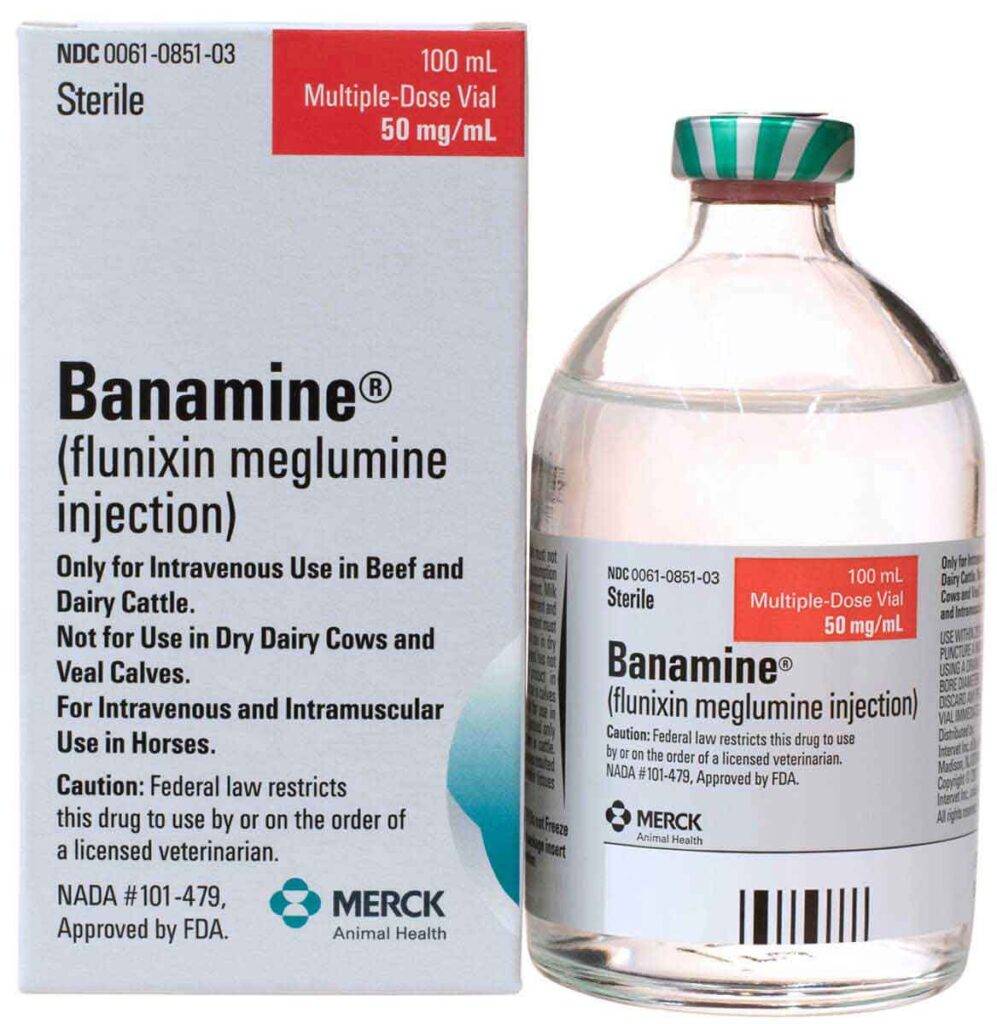
Banamine, often referred to as flunixin meglumine in its generic form, is frequently used to treat equine fever, inflammation, and pain. However, accuracy and timing are equally important for this medication’s efficacy. Knowing the right banamine for horses dosage and administration techniques safeguards your horse’s comfort and long-term well-being.
Let’s assess what responsible use actually entails.
Understand the Purpose Before You Dose
Banamine is frequently used to treat fever, musculoskeletal inflammation, and colic discomfort. It functions by reducing the synthesis of prostaglandins, which are involved in pain and inflammation signaling.
Banamine does not, however, address the underlying cause of infection or colic. It masks symptoms. That’s a critical difference. Administering it can cause treatment complications and delay diagnosis without a veterinarian’s advice.
Always make sure the underlying issue is identified prior to taking medication.
Calculate Dosage with Precision
Usually, the dosage of banamine for horses is determined by their body weight. 1.1 mg per kilogram of body weight once daily is the standard veterinary recommendation; however, this may change according to the ailment being treated.
Underdosing may fail to control pain effectively. Overdosing raises the risk of colitis, renal stress, and stomach ulcers. Use a scale or weight tape instead of estimating weight by guessing.
Never change the frequency of dosing without consulting a veterinarian.
Monitor Closely After Administration
Observation is still necessary even when pain is relieved. Keep an eye on the animal’s appetite, level of hydration, dung production, and behavioral changes after administering Banamine.
Get in touch with your veterinarian right away if symptoms intensify or last longer than a few hours. Serious issues can be masked by repeated dosing without reevaluation.
In general, short-term use is preferred. Extended administration necessitates close monitoring and may include blood tests to assess gastrointestinal and renal function.
Store and Handle Responsibly
Medication efficacy is impacted by its integrity. Banamine should be kept out of direct sunlight and at room temperature. Always verify the expiration dates prior to usage.
Maintain thorough records of the dosage, timing, and reaction. When it comes to follow-up care, your veterinarian can make better decisions if the documentation is clear.
Final Takeaway
Banamine administration involves more than just relieving pain. It involves making thoughtful choices, performing thorough calculations, and keeping a close eye on things. Knowing the right dosage of Banamine for horses guarantees that alleviation won’t come at the price of long-term health.
You are giving your horse more than just comfort when you combine accurate administration with veterinary advice. You provide them with safe care that is based on self-control and knowledge.
Frequently Asked Questions
How quickly does Banamine work in horses?
Banamine typically begins reducing pain and fever within one to two hours after administration. However, response time depends on the condition being treated. Persistent symptoms require veterinary evaluation rather than repeated dosing.
Can Banamine be given daily?
Banamine may be administered once daily under veterinary supervision. Prolonged daily use increases the risk of gastric ulcers and kidney complications. Always follow prescribed duration and dosage guidelines carefully.
Is injectable Banamine safe for owners to administer?
Injectable Banamine should only be given intravenously by a veterinarian. Intramuscular injection can cause serious infections. Most owners should use the oral paste formulation unless specifically instructed otherwise.
What are the signs of Banamine overdose in horses?
Signs may include reduced appetite, diarrhea, depression, and signs of abdominal pain. Severe cases can involve kidney dysfunction. Immediate veterinary attention is necessary if overdose is suspected.
Should Banamine be given before a veterinary visit for colic?
While Banamine can ease pain, administering it before examination may mask clinical signs. Contact your veterinarian first and follow their instructions to avoid delaying accurate diagnosis and treatment.